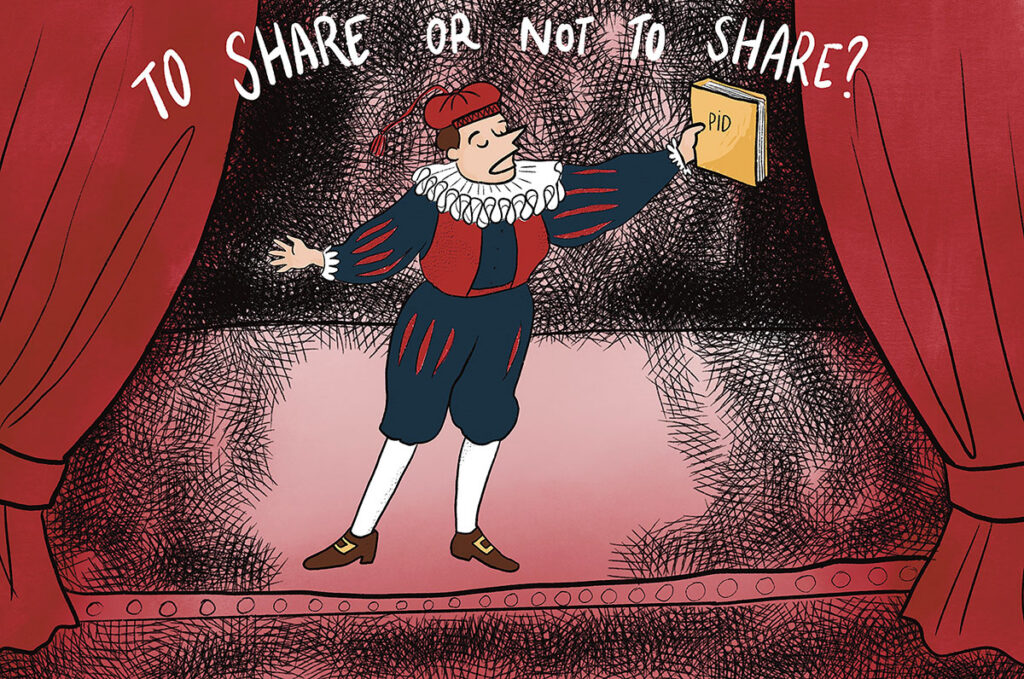
What does this duty to inform entail exactly?
Before signing an agreement, you must provide your contracting partner with two documents:
1. The draft collaboration agreement
2. The pre-contractual information document (PID)
The PID is the central document and consists of two parts, which must include at least the following information:
- Key contractual provisions, such as: who are the contracting parties, what is the duration, how do termination or renewal work, what are the fees involved, what costs are associated, are there non-compete clauses, etc.?
- Essential business information: your company details, the nature of your activities, financial statements for the last three years, and an overview of the investments and burdens the other party must take on.
This also applies to extensions or modifications!
Is an existing collaboration being extended or modified? Then a simplified PID is sufficient, but this must also be provided at least one month in advance. In such cases, it suffices to include the new or amended contractual provisions.
What if you don’t comply with these rules?
The law is strict: if you do not (timely) provide the PID or if it is incomplete, your partner can challenge the validity of the contractual provisions not included in the PID within two years — or even invoke the nullity of the entire agreement. This means the agreement will be considered as never having existed.
Consequences: You must repay all received fees (such as royalties or entry fees) and may also have to pay additional compensation for costs and investments made. Think of costs to suppliers and utility companies, investments in retail space, recruitment costs and paid salaries, interest on business loans, …
Why is this so important?
These rules are designed to protect the weaker party – but they also protect you as an entrepreneur from disputes later on. A correct and complete PID ensures transparency and avoids unpleasant surprises.
In short: make sure you are well informed and take these obligations seriously.
Do you have questions or need assistance drafting or reviewing your PID? The commercial law team at Andersen in Belgium is ready to assist you with this.
David Van Iseghem (Partner – Mediator) – Marnix Van Den Plas (Associate)