Category: Andersen in Belgium
-

Gaming Advertising Regulation in Belgium
In Belgium, approximately 100,000 people suffer from a confirmed gambling addiction, while an additional 380,000 individuals exhibit at-risk gambling behaviors, according to official estimates. These figures suggest that nearly 5% of the adult population is directly or indirectly affected by gambling-related issues and increase dramatically. Young men are particularly vulnerable. 1. Belgian applicable legal framework…
-

Belgian Taxation: two pieces of good news for shareholders
Victoria: Hello Thierry, thank you for joining us today. In recent years, there’s been a lot of talk about increasing tax burdens in Belgium… but apparently, you have two pieces of good news to share? Thierry Litannie: Hello Victoria, thank you for the invitation. Indeed, good tax news is rare, but it does exist and…
-

Discontinuation of the european online dispute resolution (ODR) platform and transition to new digital ADR tools
1. Regulation (EU) No 524/2013 established and mandated the Commission to develop and maintain a European Online Dispute Resolution Platform (the ‘ODR platform’) at EU level, offering a single point of entry to consumers and traders seeking the out-of-court resolution of disputes arising from online sales or service contracts. The ODR platform takes the form…
-

Is it possible to combine refusal to pay an invoice with a claim for damages in construction contracts? The Court of Cassation rules on the “double sanction” for contractual breach
I. What was the case about? A contractor was engaged to carry out a building project for an agreed contract price of almost €300,000. The developer later discovered defects, including a leaking roof and an inadequate concrete floor, and therefore refused to pay the outstanding balance of approximately €29,348.22. The court of first instance held…
-

Important Changes to the Belgian Expatriate Tax Regime
The former regime was based solely on a Circular dated 8 August 1983. As of 1 January 2022, a new statutory regime entered into force (see our previous article on this topic…). Due to a transitional measure, both regimes remained applicable in parallel until 31 December 2023. Since 1 January 2024, only the new regime…
-

The Strengthened Collective Labour Agreement No. 32bis: What Has Changed Since 1 February 2025?
1. Why this amendment? Until now, Belgian legislation did not explicitly impose an obligation on the transferee (i.e. the future employer) of an undertaking to engage in social dialogue. This legal gap risked undermining legal certainty. Employees were often faced with faits accomplis, without any genuine opportunity for interaction with their future employer. Under the…
-

New Legislation Simplifies and Optimizes the VAT Chain
The main goal is to streamline procedures and make them more efficient for both businesses and the tax administration. Below is a comparative table with the key measures before and after the entry into force of this new VAT legislation. Before the introduction of the new VAT chain After the introduction of the…
-

The remuneration theory
Thierry, can you explain to us what the remuneration theory is? The remuneration theory is a concept used by the tax administration to assess whether a company’s expenses related to granting benefits to its directors or employees can be considered as tax-deductible professional expenses. Can you give us a concrete example of how this theory…
-

The EU proposes sustainability reporting to simplify
The Omnibus Simplification Package can be divided into the proposal to amend the legislation (‘simplification proposal’) and a proposal to postpone the entry into application of the CSRD and the CSDDD (‘stop the clock’ proposal). On April 3, 2025, the stop the clock proposal was approved. The aim of this simplification is to reduce the…
-
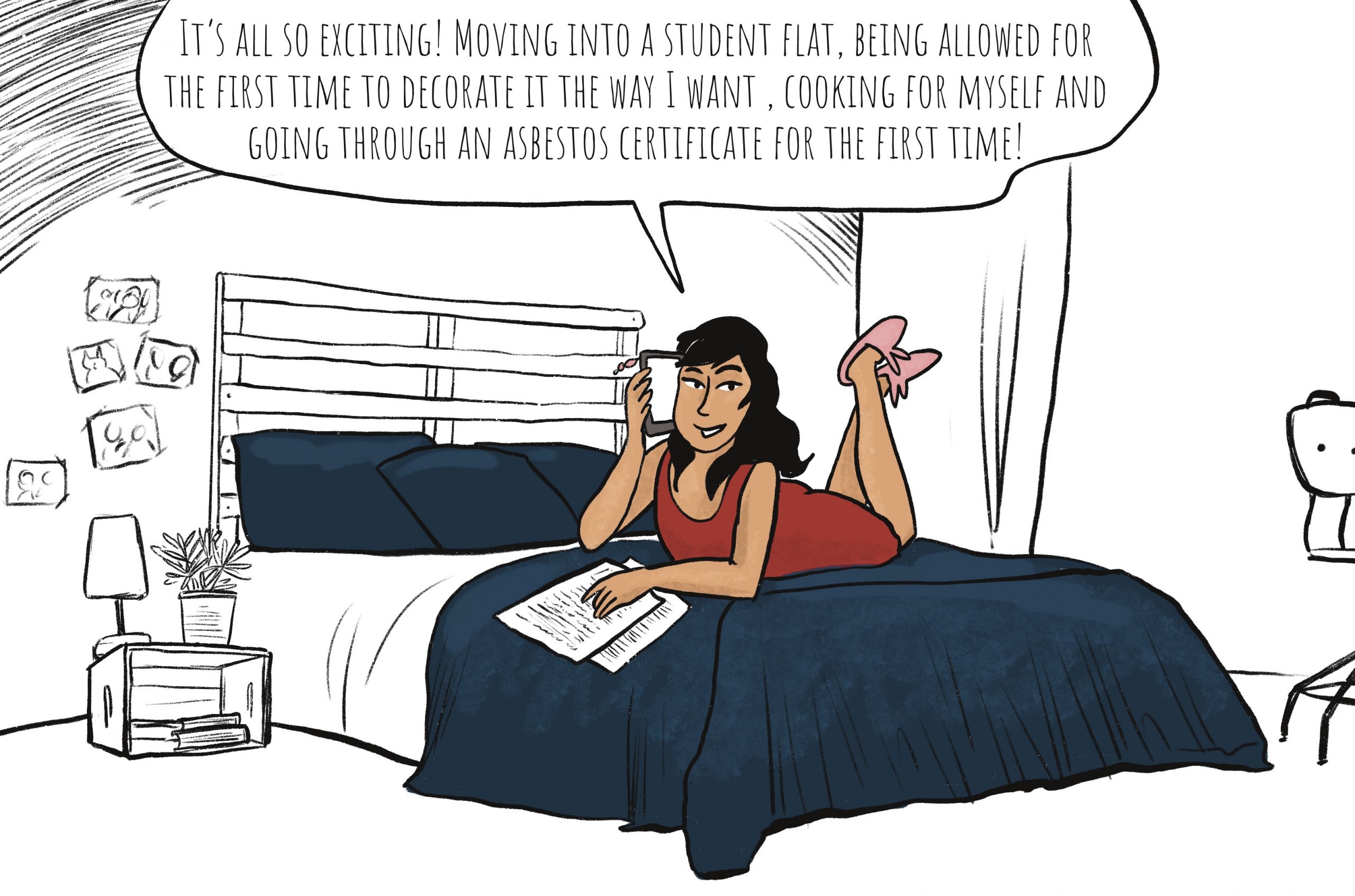
Asbestos certificate for commonly used parts: what will change in Flanders as of May 1, 2025?
Common parts vs. commonly used parts Common parts are the parts of a co-owned building, such as in apartment buildings where several owners have a share in the common areas (for example, the entrance hall, stairwell or elevator). These situations require an asbestos certificate for common parts. This requirement takes effect on Jan. 1, 2027,…